
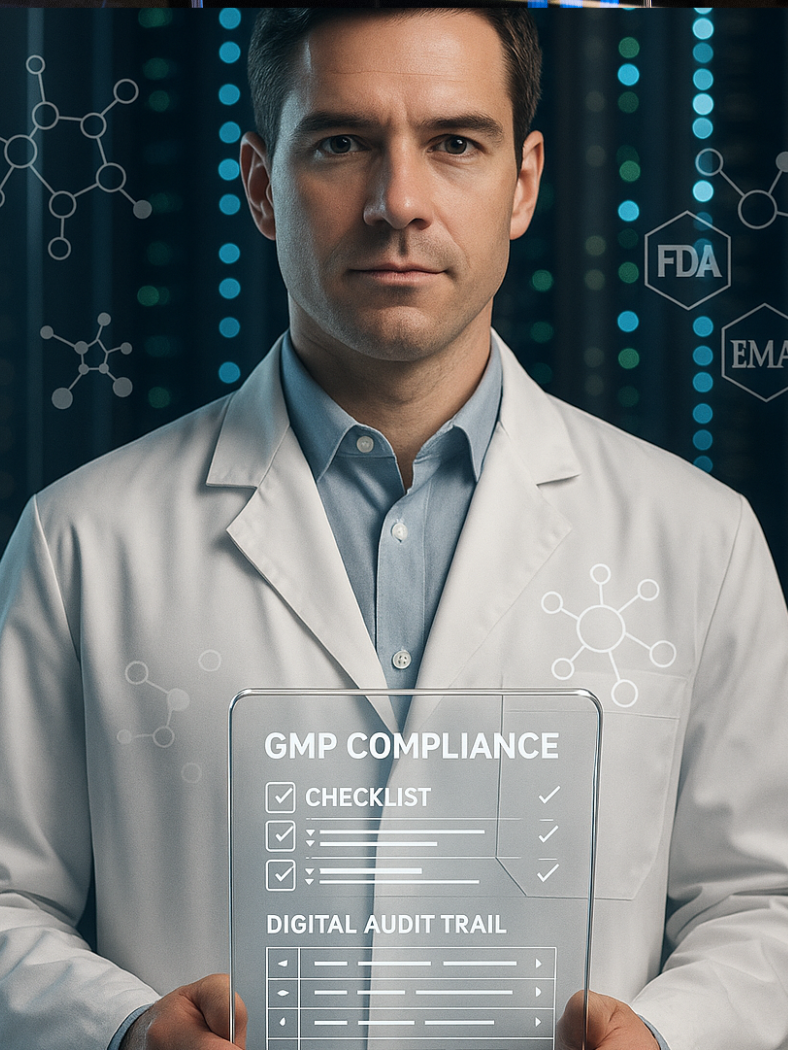
Pharmaceutical companies operate under some of the strictest regulations in the world. From the U.S. Food and Drug Administration (FDA) to the European Medicines Agency (EMA), and global organizations like the World Health Organization (WHO), compliance frameworks are constantly expanding. New guidelines, frequent updates, and evolving inspection requirements place tremendous pressure on companies to maintain accuracy, consistency, and transparency.
The consequences of failing to meet these standards are severe. Regulatory fines, recalls, loss of licenses, and reputational damage can derail even the most established organizations. This is why digital transformation has become a defining force in the industry. Today, pharma compliance software plays a central role in how organizations stay audit-ready, manage documentation, and monitor global regulatory updates.
But while digital tools have streamlined compliance, they also have limitations. Traditional systems often lag behind fast-moving regulations and require manual upkeep. This has paved the way for new, intelligent solutions like ChatGMP, which promise to take compliance support to the next level.
Why Compliance Has Become Harder to Manage Manually
Not long ago, many pharma companies managed compliance with paper-based systems. Standard operating procedures (SOPs), training logs, and deviation reports were filed in binders or stored on spreadsheets. But as regulations multiplied, these manual systems became unmanageable.
Volume of regulations
The FDA alone issues dozens of updates each year, while the EMA and other global regulators publish their own guidelines. Keeping up with changes requires constant vigilance.
Scrutiny and transparency
Regulators now expect greater transparency across manufacturing, distribution, and supply chain practices. Inspectors demand detailed records that are instantly accessible.
Documentation burden
Paper records and scattered files make it difficult to prove compliance during audits. A missing signature or outdated SOP version can trigger costly findings.
A mid-sized pharma manufacturer once admitted that 60% of their audit preparation time was spent just locating and verifying documentation. In a landscape where compliance errors can cost millions, this approach is unsustainable.
The Rise of Digital Transformation in Pharma Compliance

Recognizing these challenges, the pharmaceutical industry began shifting toward digital systems in the early 2000s. Electronic Document Management Systems (EDMS), Laboratory Information Management Systems (LIMS), and Quality Management Systems (QMS) replaced filing cabinets and manual spreadsheets.
This transformation offered clear advantages:
- Efficiency: Tasks like document approval and change control became faster and more reliable.
- Traceability: Every action left an electronic trail, making audits easier to manage.
- Real-time monitoring: Deviations, corrective actions, and training progress could be tracked instantly.
Compliance also became more integrated. Instead of being siloed in the quality department, digital tools allowed compliance to flow into manufacturing, research and development, and supply chain operations. This shift made compliance less of a burden and more of a business enabler.
Key Features of Modern Pharma Compliance Software
Today’s pharma compliance software comes with robust features designed to address the unique demands of the industry. Common capabilities include:
- Centralized Documentation: A single platform to store SOPs, training records, and batch documents, ensuring consistency across teams and sites.
- Real-Time Audit Trails: Every user action is logged, providing regulators with clear, time-stamped records.
- Regulatory Intelligence Tools: Built-in systems track updates from authorities like the FDA, EMA, and ICH, so teams don’t miss critical changes.
- Workflow Automation: Automated notifications, escalation processes, and approval routes reduce human error and speed up compliance tasks.
- Integration Capabilities: Modern platforms connect with manufacturing execution systems, LIMS, and ERP platforms to unify compliance across business functions.
These features have made compliance more reliable, but the pace of change in pharma regulation continues to test even the best software solutions.
Benefits of Using Pharma Compliance Software
Companies that adopt pharma compliance software typically see clear advantages that strengthen compliance operations and reduce risk.
Improved Accuracy
Digital systems minimize manual entry errors and automatically enforce version control. This ensures teams are always working with the most current, validated documents.
Audit Readiness
Instead of scrambling before an inspection, records are organized and instantly accessible. This shortens preparation time and helps companies approach audits with greater confidence.
Streamlined Training
Automated reminders and digital training logs make it easier to track employee compliance with SOPs. This supports continuous learning and reduces gaps in regulatory knowledge.
Scalability
For multinational organizations, a single platform allows compliance alignment across multiple jurisdictions. This consistency helps maintain standards while expanding into new markets.
Data Security
Modern systems comply with standards such as 21 CFR Part 11 and EU Annex 11. They safeguard data integrity while ensuring electronic signatures meet regulatory expectations.
These benefits explain why digital compliance tools have become the industry norm. However, as regulations continue to evolve, even the best systems must adapt to keep pace.
Challenges and Considerations When Adopting Digital Compliance Tools

Despite their strengths, implementing pharma compliance software is not without hurdles:
- Cost: Initial investment and ongoing licensing fees can be significant.
- Resistance to change: Employees accustomed to manual systems may hesitate to adopt digital workflows.
- Data migration: Moving years of legacy documentation into a new system requires planning and validation.
- System validation: Regulators require proof that electronic systems themselves are compliant, adding another layer of responsibility.
- Vendor dependence: Choosing the right provider is critical, since long-term support and updates impact compliance success.
These challenges underscore the need for careful strategy and change management when shifting to digital compliance.
Where Traditional Pharma Compliance Software Falls Short
Even the most advanced platforms struggle with certain limitations:
- Lagging updates: Regulatory changes are often added manually, leaving room for delays.
- Steep learning curve: Complex interfaces can slow adoption, especially for smaller companies.
- Limited flexibility: Global companies face challenges aligning multiple regulatory frameworks in static systems.
- Static knowledge bases: Traditional software relies on preloaded data that must be updated manually by compliance teams.
This gap between regulatory agility and digital rigidity is where next-generation solutions like ChatGMP come in.
Enter ChatGMP: Next-Generation Regulatory Intelligence
ChatGMP is designed to complement and enhance existing pharma compliance software. Rather than replacing digital platforms, it serves as an AI-driven compliance assistant, offering real-time regulatory intelligence.
Key advantages include:
- Instant lookups: ChatGMP can retrieve FDA, EMA, and WHO guidelines instantly.
- Dynamic Q&A: Compliance teams can ask context-specific questions and get clear, accurate answers.
- Audit support: During inspections, ChatGMP provides immediate access to regulatory references.
- Continuous monitoring: Instead of relying on manual updates, it keeps pace with evolving regulations automatically.
ChatGMP represents a shift from static compliance tools to intelligent, adaptive systems. It empowers quality teams to make faster, better-informed decisions.
Practical Use Cases of ChatGMP in Pharma Compliance
To see its value, consider how ChatGMP works in practice:
- Audit Preparation: Teams can quickly access the latest FDA warning letters or relevant guidance documents to prepare audit responses.
- Employee Training: New hires can use ChatGMP to clarify GMP requirements on demand, reducing training bottlenecks.
- SOP Development: Quality managers can cross-check SOP language against official guidelines for alignment.
- Global Expansion: When entering new markets, ChatGMP helps compare regulatory differences across regions.
- Ongoing Monitoring: Compliance officers receive real-time alerts on new or revised regulations, eliminating the lag time of manual updates.
These scenarios highlight how ChatGMP strengthens compliance not just as a back-office function, but as a strategic advantage.
The Future of Digital Compliance in Pharma
The next phase of compliance will be defined by intelligence and prediction. Instead of reacting to audits, companies will anticipate regulatory risks and resolve them in advance. AI and machine learning will play an increasingly central role, offering:
- Predictive compliance: Identifying potential nonconformities before they occur.
- Deeper integration: AI chat systems like ChatGMP embedded within QMS, LIMS, and ERP platforms.
- Global harmonization: Bridging regional regulatory differences through AI-powered cross-referencing.
- Continuous learning: Compliance teams that evolve their knowledge alongside AI systems, rather than relying on outdated training.
This vision of compliance as a proactive, intelligence-driven function is already taking shape, with ChatGMP serving as a key enabler.
Final Thoughts
Pharma compliance has become too complex for manual systems, and traditional digital platforms—while powerful—still struggle to keep up with the pace of regulatory change. Companies need tools that not only store and track compliance data but also provide real-time intelligence and guidance.
This is where ChatGMP enters the picture. By complementing pharma compliance software with AI-powered insights, it gives companies the agility they need to stay compliant, audit-ready, and globally aligned.
As regulations continue to evolve, the most successful organizations will be those that embrace digital intelligence early. Pharma compliance is no longer just about meeting today’s standards—it’s about anticipating tomorrow’s.


